Trying to decide between a newer build and an established home in Orange? You are not alone. In a city where historic districts, mid-century design, and newer infill housing all exist side by side, the right choice often comes down to how you want to live now and what tradeoffs you are comfortable making over time. This guide will help you compare the pros and cons of each so you can move forward with more clarity and confidence. Let’s dive in.
Why This Choice Matters in Orange
Orange is not a one-style housing market. The city’s housing plans point to both preservation of older homes and continued housing production through infill sites, redevelopment, and ADUs, which means you can find everything from historic properties to newer corridor-based housing.
That matters because your choice is not just about age. It is also about location, layout, maintenance, design rules, and long-term ownership costs. In a high-cost market like Orange, where Census QuickFacts reports a median owner-occupied home value of $945,800, buyers often weigh whether to pay more upfront for newer features or plan for updates in an older home.
Newer Build Homes in Orange
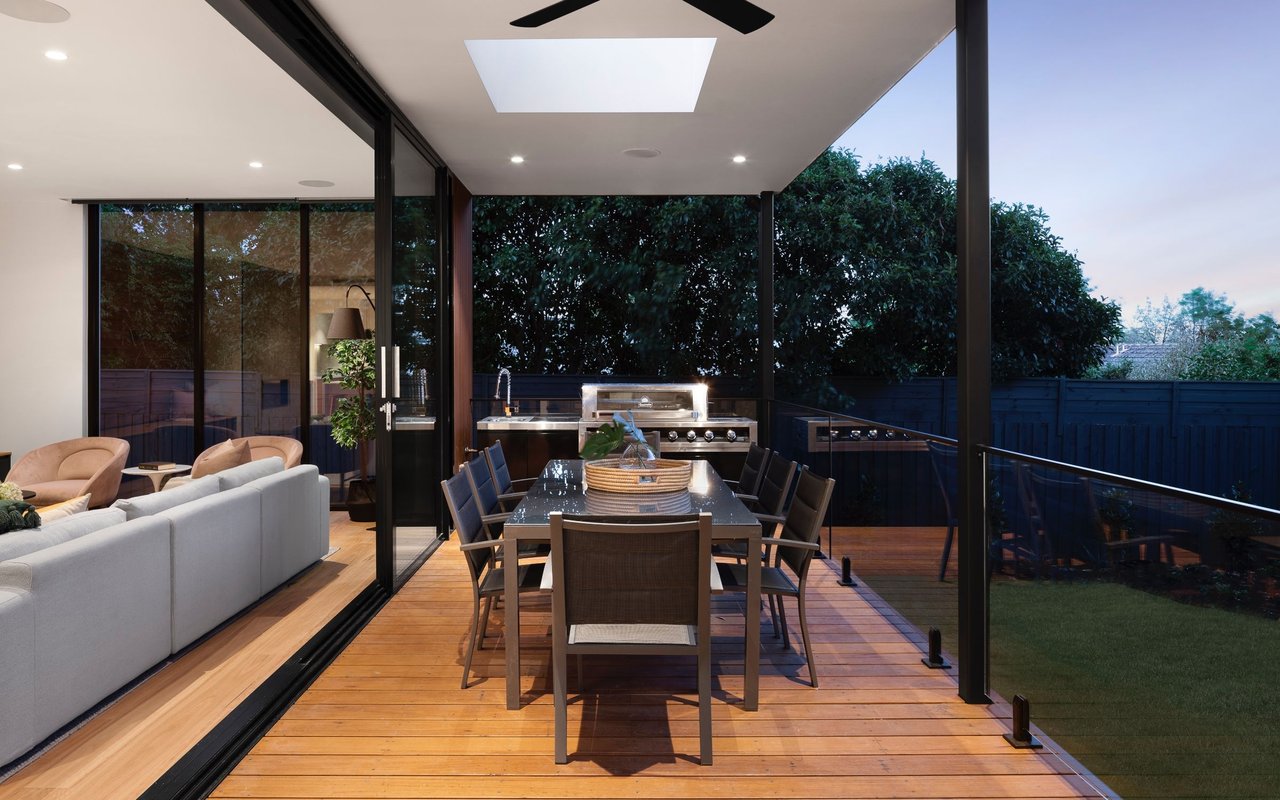
Newer homes in Orange often appeal to buyers who want a more turnkey experience. They may offer a cleaner maintenance baseline, updated systems, and a layout that feels ready for modern living from day one.
In Orange, many newer housing opportunities are tied to infill and redevelopment rather than large new suburban subdivisions. City planning materials highlight areas like Uptown Orange and the South Main Street Corridor as places where recent or potential higher-density and mixed-use housing has been concentrated.
Pros of a Newer Build
One of the biggest benefits is energy performance. The California Energy Commission says the 2022 Energy Code applies to permit applications on or after January 1, 2023, and includes features such as efficient heat pumps, electric-ready requirements, and solar PV requirements for newly constructed single-family homes.
For you, that can mean a more efficient starting point than an older home that has not been upgraded. It can also mean fewer immediate projects after closing, which is helpful if you want a smoother move and more predictable early ownership costs.
Another advantage is fewer preservation-related restrictions. If you like the idea of making cosmetic changes without navigating historic design standards, a newer property may feel simpler to manage.
Cons of a Newer Build
The biggest tradeoff in Orange is often the type of home available. Because much of the city’s newer housing supply is associated with infill and corridor redevelopment, your options may lean more toward townhomes, attached homes, or multifamily-style living rather than classic detached single-family tracts.
You may also find HOA dues, shared amenities, or less private outdoor space in some newer communities. Those details can vary widely, so it is smart to review HOA documents and disclosures closely before making a decision.
Location can also shape the feel of the home. A newer property in an urban-style corridor may give you modern finishes and convenience, but it may not offer the same lot size, street pattern, or architectural variety that attracts buyers to established parts of Orange.
Established Homes in Orange
Established homes are a major part of Orange’s identity. If you are drawn to architecture, mature streetscapes, or homes with a strong sense of place, this side of the market has a lot to offer.
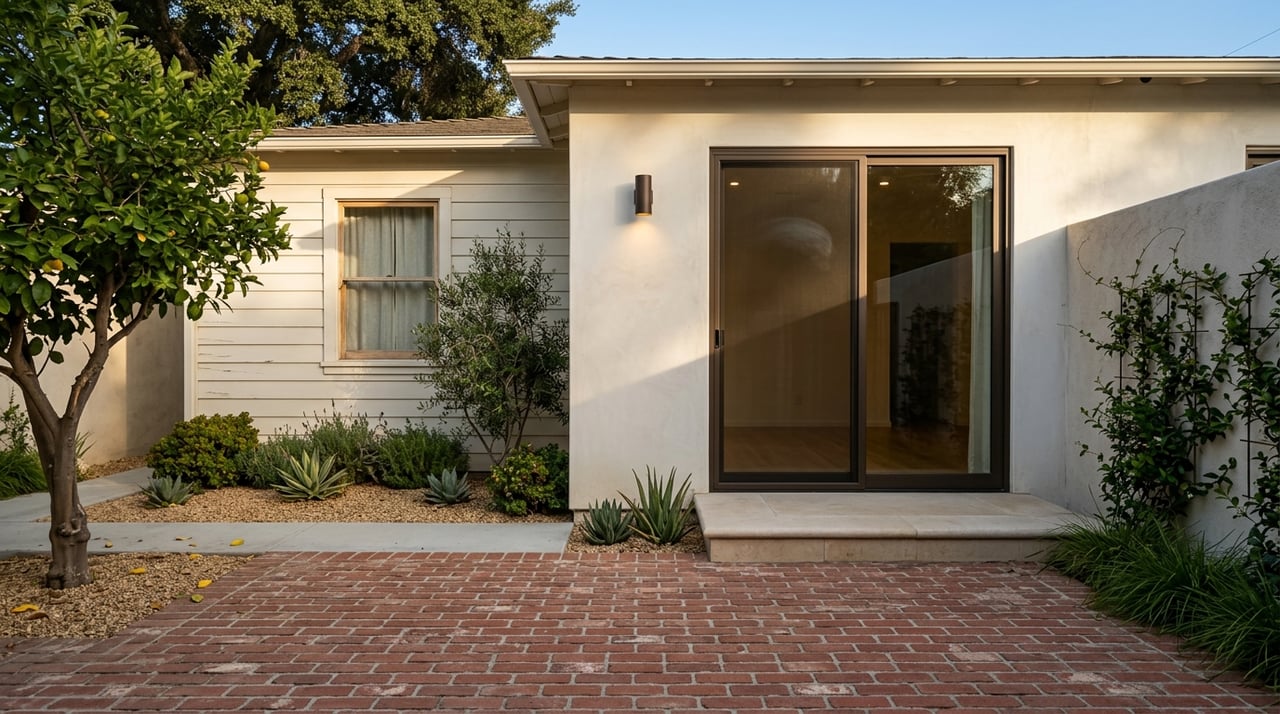
The city notes that some of the earliest buildings in Old Towne Orange date to the 1880s and that many original properties still retain their architectural integrity. Orange also includes notable mid-century housing, including the Orange Eichler tracts, which were designated as local historic districts in 2018.
Pros of an Established Home
Character is often the biggest draw. Older homes can offer details and design styles that are hard to replicate, along with neighborhoods that feel established and visually distinct.
There can also be renovation upside. If you are comfortable improving a home over time, an older property may give you the chance to tailor the space to your needs while preserving the parts that made you fall in love with it in the first place.
For some qualified historic properties, the city says the Mills Act can serve as a voluntary financial incentive program. That will not apply to every home, but it is one example of how ownership of certain historic properties may come with specific preservation-related opportunities.
Cons of an Established Home
Older homes usually require more careful due diligence. Systems may have been updated at different times, maintenance history can be uneven, and the overall condition may be less straightforward than a newer property.
A home inspection is important in any purchase, but it becomes especially valuable with established homes. It helps you understand the current condition of the property and identify possible repairs or upgrades before you commit.
If the home is in one of Orange’s historic districts, exterior changes may be regulated. The city says properties in Old Towne must comply with Historic Preservation Design Standards, and projects in historic districts require additional submittals for additions, new infill construction, and ADUs.
Material choices can also be more limited in historic areas. For example, the city’s Old Towne guidance states that vinyl windows are prohibited in the historic district.
For homes built before 1978, lead-based paint is another consideration. EPA guidance states that homes built before 1978 are more likely to have lead-based paint, and buyers of most pre-1978 housing must receive lead disclosure information.
How Orange’s Location Patterns Affect Your Search
In Orange, the newer-versus-established decision is often also a neighborhood pattern decision. If you want newer construction, your best options may be in areas shaped by redevelopment and infill, such as Uptown Orange or the South Main Street area.
If you want stronger architectural identity and a more established streetscape, Old Towne Orange and the Eichler tracts are some of the clearest examples. That does not mean every home in those areas will fit your goals, but it gives you a practical starting point as you narrow your search.
This is where local guidance really matters. Two homes at a similar price point can offer very different ownership experiences depending on whether the property is newer, attached, historic, remodeled, or subject to design review.
Which Option Fits You Best?
A newer build may be the better fit if you want modern energy features, fewer immediate projects, and a more turnkey lifestyle. It can also be a strong choice if you prefer a simpler path to updates and improvements without historic preservation constraints.
An established home may be the better fit if you care most about character, architectural detail, and a neighborhood feel that has developed over time. It can also make sense if you are open to maintenance and improvement work in exchange for a more unique property.
Neither option is automatically better. The right answer depends on your budget, your tolerance for repairs or restrictions, and how you want your home to function over the next few years.
Smart Questions to Ask Before You Buy
As you compare homes in Orange, these questions can help you avoid surprises:
- Is the home located in one of Orange’s four historic districts?
- If it is, what exterior changes would require review?
- Was the home built before 1978, and have lead disclosures been provided?
- Is a newer home part of an HOA or mixed-use development?
- How much private outdoor space comes with the property?
- What does the home inspection reveal about current condition and likely future maintenance?
- What permit or property history is available? The city notes that permit and property history are available for properties constructed after 1989.
The Bottom Line for Orange Buyers
In Orange, the choice between a newer build and an established home is about more than finishes and floor plans. It is about how the home fits your daily life, how much flexibility you want as an owner, and whether you value convenience, character, or a mix of both.
If you want help comparing options in Orange with a clear, local lens, Ryan Salloum can help you weigh the real-world pros and cons of each property and find the right fit for your goals.
FAQs
What is the main benefit of buying a newer build in Orange?
- A newer build in Orange may offer a more efficient baseline, more modern systems, and a more turnkey ownership experience, especially if the home was built under current California energy standards.
What is the main benefit of buying an established home in Orange?
- An established home in Orange may offer more architectural character, a stronger sense of place, and more opportunity to customize over time.
Do historic district rules affect homes in Orange?
- Yes. If a home is in one of Orange’s historic districts, exterior changes may be subject to design standards and additional review by the city.
Are newer homes in Orange usually detached single-family homes?
- Not always. Because much of Orange’s newer housing is tied to infill and redevelopment, some newer options may be townhomes, attached homes, or multifamily-style properties.
Should buyers ask about lead disclosures for older homes in Orange?
- Yes. If a home was built before 1978, buyers should confirm that lead disclosure information has been provided and understand whether lead-safe renovation practices may apply later.
How can buyers compare newer and older homes in Orange more confidently?
- Buyers can compare location, property type, HOA structure, inspection findings, historic district status, and long-term maintenance needs to see which option best fits their budget and lifestyle goals.