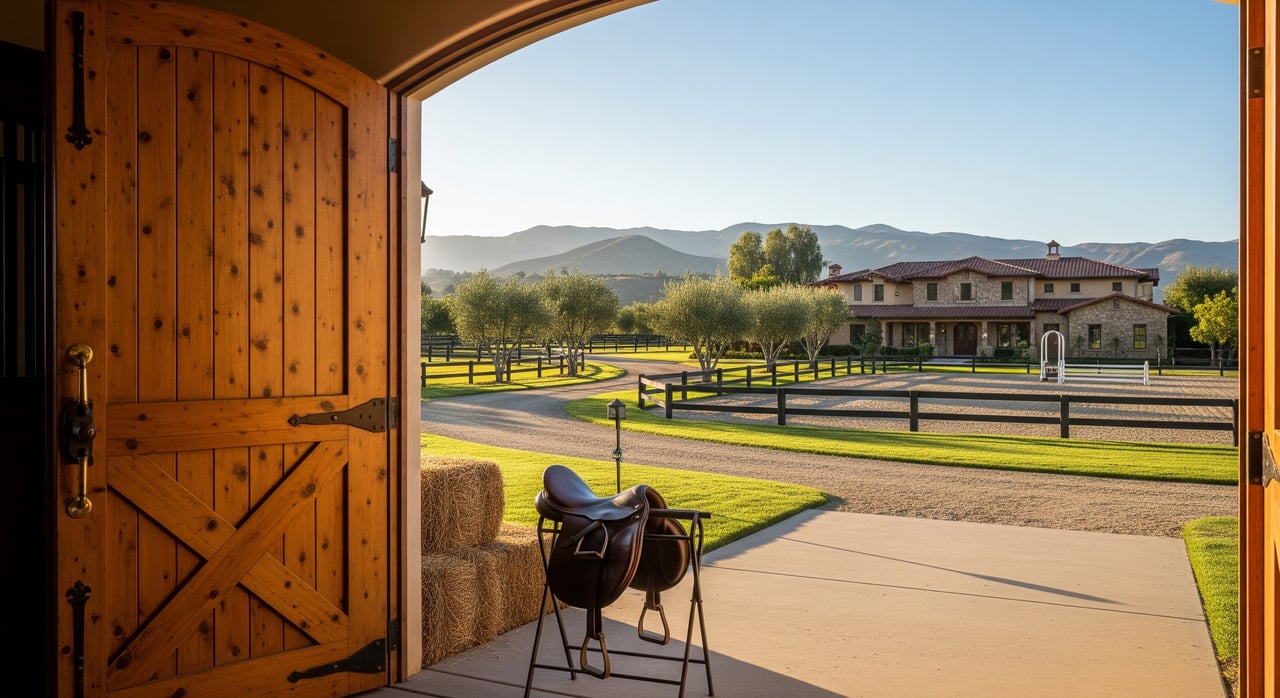
If you picture morning rides straight from your backyard, Yorba Linda makes that vision real. Parts of this northeastern Orange County city keep a semi-rural feel with larger lots, trail connections, and homes set up for horses. Whether you plan to keep a couple of geldings at home or board nearby and trailer to trailheads, you will find options here. This guide walks you through local riding access, property features to look for, rules, costs, and a clear checklist to help you buy with confidence. Let’s dive in.
Why Yorba Linda suits riders
Yorba Linda sits where suburban living meets open space. Compared with coastal OC, you find more low-density streets, estate parcels, and hobby-farm style lots big enough for barns, paddocks, and arenas. Many neighborhoods link into greenbelts and multi-use paths that riders use for everyday exercise.
You are also close to regional destinations. Chino Hills State Park, the Carbon Canyon area, and the trails that connect toward the Santa Ana Mountains and Cleveland National Forest give you longer loops and varied terrain. With planning, you can ride after work or make a full day of it on the weekend.
Horse-friendly home types
You will see several property styles that work for equestrians:
- Estate parcels with private barns and arenas, often from about half an acre up to several acres.
- Smaller ranchettes or rural residential lots with room for paddocks and a single barn.
- Subdivisions or gated communities that allow horses, subject to HOA rules.
- Rural parcels in adjacent unincorporated areas where animal-keeping allowances can be more flexible.
On utilities, expect a mix. Many developed streets have municipal water and sewer. Larger or more rural parcels may use private wells and septic systems. Always confirm water capacity and septic condition during inspections.
Everyday riding access
Yorba Linda’s multi-use path network connects neighborhoods to parks and foothills. Surfaces range from single-track to wider unpaved roads. Some routes are best for experienced riders or certain mounts, so scout first.
Before you go, check the manager of the trail you plan to use. City parks, Chino Hills State Park, and the US Forest Service each set rules, and some trails have seasonal limits. If you trailer out, confirm trailhead parking and turnaround room for your rig.
Boarding and local services
If you will board rather than keep horses at home, you can find a range of care models nearby:
- Pasture or paddock board with basic care.
- Stall board in barns with options for turn-out.
- Full-care programs that handle feeding, mucking, and basic grooming.
- Training and lesson add-ons, plus specialized rehab or medical stalls in some facilities.
Orange County boarding fees tend to run higher than many inland markets, and popular barns may have waitlists. Check availability and current pricing early. Also note proximity of large-animal vets, farriers, feed suppliers, and tack shops to your preferred neighborhood.
Must-have property features
Choosing a horse property is about daily function, not just acreage. Focus on features that keep your horses safe and your routine efficient.
Barns and layout
Look at stall dimensions, ventilation, and structure. Barn orientation relative to wind and sun affects comfort. Check floors and drainage, from stall bases to walkways. A secure tack room, rodent-resistant feed storage, and a wash rack with hot and cold water make care easier. Verify safe electrical with proper lighting and enclosed wiring.
Turnout, fencing, and arena
Fencing should be safe and visible. Common options include wood post-and-rail, pipe, or vinyl. Avoid barbed wire. Inspect gates and latches, and confirm good separation between turnout and riding areas.
Arena footing and drainage matter for soundness and year-round use. Look for proper grading and a surface suitable for your discipline. Round pens, lunging areas, and cross-fencing help with exercise and rotational turnout. In paddocks and pastures, check vegetation type, compaction, and signs of mud or erosion. Ensure shade, constant water access, and shelter.
Water, drainage, and utilities
Horses need consistent water. Confirm whether the property uses city water or a private well and that supply meets daily demand for troughs, wash racks, and dust control. Understand the irrigation setup. On sloped lots, study runoff patterns and erosion control to keep arenas and paddocks usable.
Plan for manure management. Many municipal codes address storage, setbacks, and odor control. Ask how manure is stored and hauled, and whether on-site composting is allowed.
Trailer access and parking
Evaluate the driveway’s width, grade, and turning radius. You will need space to stage, park, and load safely. Ask about trailer storage rules on-site and on the street, and confirm HOA restrictions if applicable.
Neighbors and land use
Look at surrounding uses. Houses, orchards, and commercial sites each bring different dust, noise, and traffic patterns. Trees, fencing, and setbacks can buffer activity. It helps to spend time on-site during different hours to understand the rhythm of the area.
Rules, permits, and insurance
Owning an equestrian property means aligning with local rules and carrying the right coverage. Build these steps into your due diligence.
Zoning and animal-keeping
Inside Yorba Linda city limits, municipal code and zoning regulate where horses are allowed, how many you can keep, and the required setbacks for barns and manure areas. HOAs may add stricter rules or prohibit horses. In unincorporated areas, Orange County land-use regulations govern similar items.
Always verify current rules with the City of Yorba Linda Planning Department for properties in the city and Orange County Planning & Land Use Services for parcels outside city limits. If you plan to change or add structures, review building and fire code requirements.
Commercial activity
If you intend to operate a boarding facility or offer lessons to the public, expect to need a conditional use permit, a business license, and compliance with building, fire, and health codes. Confirm specifics with the city or county before you buy.
Taxes and incentives
Reduced agricultural assessments typically require documented commercial agricultural activity and formal filings with the county assessor. Personal hobby horsekeeping usually does not qualify. If you are exploring a commercial plan, ask the Orange County Assessor about requirements.
Insurance and liability
Standard homeowner policies may not fully cover equine risks. Many owners carry umbrella liability coverage and farm or ranch endorsements tailored to horsekeeping. For valuable horses or training operations, consider equine mortality, major medical, and equine liability policies. Speak with an insurance agent experienced in equestrian properties to match coverage to your use.
Budgeting for the lifestyle
Build a realistic annual plan so you enjoy the lifestyle without surprises. Typical recurring costs in this region include:
- Feed and hay, which can fluctuate with regional conditions and drought cycles.
- Farrier services, veterinary care, vaccinations, and deworming.
- Bedding and arena maintenance.
- Utilities, especially water for troughs and dust control.
- Manure removal or hauling.
- Fencing repairs, pasture management, and irrigation upkeep.
If you plan to board, get current local quotes and confirm space, since Orange County rates are often higher than many inland areas. For on-site care, factor in any upgrades you may need for drainage, footing, or fencing.
How to evaluate a horse property
Use this simple walkthrough during tours, then add specialist inspections as needed.
- Confirm zoning, permitted uses, and any HOA rules for horses and trailer storage.
- Review surveys for easements and setbacks, including any trail easements.
- Inspect barn structure, roof, ventilation, flooring, and drainage.
- Measure stall size, and check for moisture and odors that signal poor drainage.
- Test water pressure at troughs and wash racks.
- Walk the arena after watering or rain to see if drainage holds up.
- Inspect fencing for broken boards, sharp edges, protrusions, and line-of-sight.
- Review manure storage location, size, and hauling schedule.
- Drive the route with a trailer in mind. Check access, grade, and turning radius.
- Ask about proximity and responsiveness of large-animal vets and farriers, and note the nearest feed and tack suppliers.
For deeper due diligence, schedule evaluations with an equine veterinarian for health risks and water quality, and a contractor or engineer for barn structure and electrical safety. If you need discipline-specific arena advice, plan for a footing specialist.
Community and trail life
Your experience improves when you plug into the local scene. Riding clubs, trail groups, and online forums share current trail conditions, trainer reputations, and boarding availability. Some neighborhoods maintain private arenas and trail easements for residents, managed by HOAs or community groups. Before you commit, ride the nearby trails, observe seasonal conditions, and talk with local equestrians about mud, dust, and fire risk.
Next steps
Living the equestrian lifestyle in Yorba Linda is absolutely within reach when you match your goals to the right property, trails, and rules. Focus on function first, verify zoning and permits, and build a realistic maintenance plan. When you are ready to tour, you deserve a guided, detail-first process that protects your time and investment.
If you are exploring horse-friendly homes in Yorba Linda, let’s make a tailored plan that fits your riding routine and budget. Reach out to Ryan Salloum for local guidance and a smooth, well-coordinated search.
FAQs
Are horses allowed at my Yorba Linda address?
- Rules depend on zoning, parcel size, and any HOA covenants; verify with the City of Yorba Linda or Orange County if the property is in an unincorporated area.
How many horses can I keep on a Yorba Linda lot?
- The allowed number is set by local animal-keeping regulations and parcel specifics like size and setbacks; confirm limits before you write an offer.
Which Yorba Linda trails allow horseback riding?
- Many city greenbelts and nearby regional trails are horse-friendly, but access varies by managing agency and season; check current rules before riding.
Do Yorba Linda horse properties use city water or wells?
- Many developed neighborhoods connect to municipal water, while larger or rural parcels may rely on private wells and septic; verify during inspections.
What permits do I need to add a barn or arena?
- Building, fire, and setback rules apply, and some projects require conditional use permits; consult the city or county planning department for specifics.
Can I run a boarding or lesson business at home?
- Commercial activity often needs a conditional use permit and compliance with local codes; confirm requirements with the appropriate planning agency.
Can I park my horse trailer at my Yorba Linda home?
- Trailer parking is governed by city rules and HOA covenants where applicable; review restrictions on on-site storage and street parking in advance.