If you want a city that feels established, connected, and full of character, Orange deserves a close look. For many buyers, the appeal is not just one thing. It is the mix of historic streets, everyday shopping, major medical hubs, parks, trails, and regional access that makes daily life feel easier. This guide will help you understand what living in Orange actually looks like and where its historic charm meets practical convenience. Let’s dive in.
Why Orange Stands Out
Orange offers a distinct mix of history and day-to-day functionality within a relatively compact footprint. According to the U.S. Census Bureau’s city profile for Orange, the city had an estimated 137,941 residents and 45,329 households as of July 1, 2024, spread across 25.67 square miles.
That size helps explain why Orange often feels layered rather than one-note. You can move from historic blocks in Old Towne to major shopping corridors, medical centers, and park space without feeling like you are crossing an enormous metro area.
The same Census profile also shows a city with a stable residential base. About 56.7% of housing units are owner-occupied, and 89.6% of residents lived in the same home a year earlier, which points to a community where many people put down roots.
Old Towne Orange Charm
For many people, Orange starts with Old Towne. The city describes Old Towne Orange as home to the largest Nationally Registered Historic District in California, anchored by Plaza Park, which has served as a gathering place for more than a century.
This area is one of the clearest examples of Orange’s identity. Around the plaza, you will find antique dealers, specialty shops, art galleries, restaurants, civic buildings, and Chapman University, all within a walkable historic setting that the city says is also a popular film and television location.
Old Towne also hosts recurring community events, including the Orange International Street Fair and the Saturday Orange Home Grown Farmers and Artisans Market. If you value places with an established sense of place, this district is a major reason Orange feels different from many surrounding communities.
What Historic Living Means
Historic charm in Orange is not just visual. It also comes with rules that can matter if you are buying a home with renovation plans. The city explains that Old Towne includes three overlapping historic districts, with some of the earliest buildings dating back to the 1880s.
If you are considering exterior updates, planning ahead matters. The city’s historic preservation guidance notes that exterior changes within the district are subject to Historic Preservation Design Standards, and certain materials, including vinyl windows, are prohibited.
That does not make Old Towne harder to love. It simply means buyers should understand that a character home in this area may require a different ownership mindset than a more conventional property elsewhere in the city.
Beyond Old Towne Homes
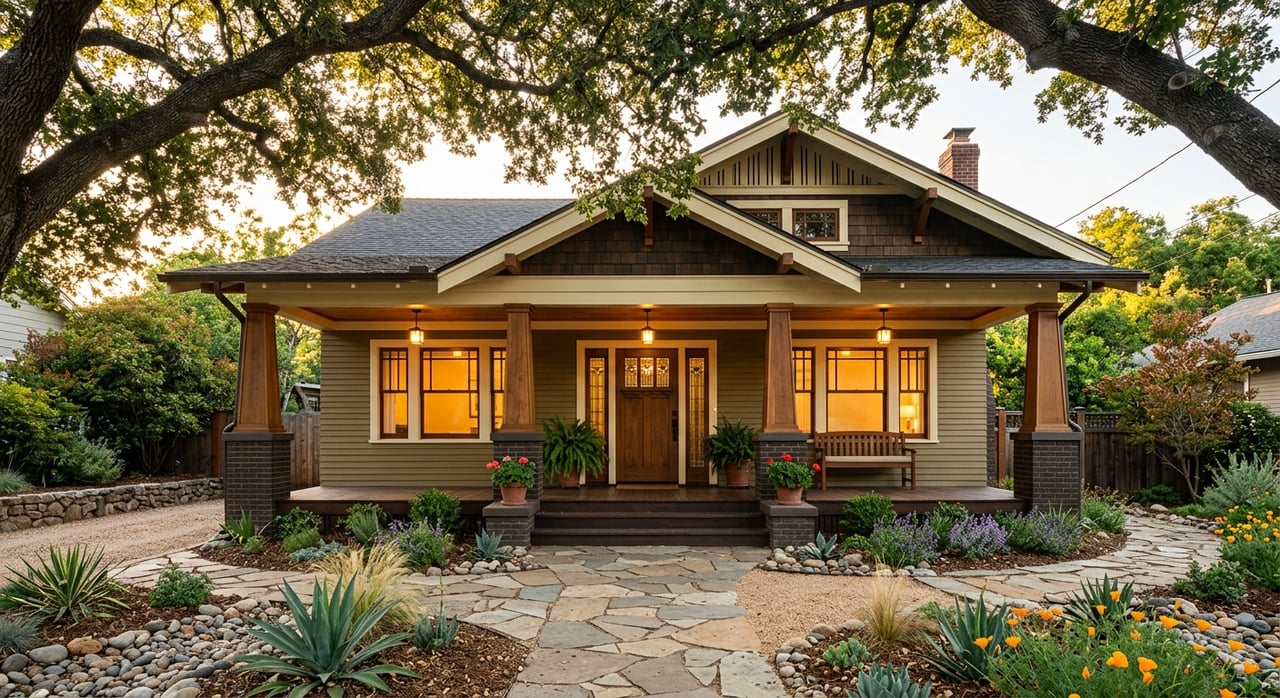
Orange’s housing identity extends beyond its historic center. The city notes that its historic resources include not only older architectural styles such as Craftsman, Folk Victorian, Spanish Colonial Revival, and Tudor Revival, but also the Orange Eichler tracts in Fairhaven, Fairhills, and Fairmeadow, which were designated local historic districts in 2018 for their Mid-Century Modern architecture.
That broader housing story gives buyers more than one way to experience Orange. Some are drawn to classic homes near the plaza, while others prefer Mid-Century design or more convenience-oriented locations near retail and mixed-use areas.
Everyday Convenience in Orange
A big part of Orange’s appeal is that its charm is backed by practical daily infrastructure. The city’s economic development overview breaks Orange into six areas, including Old Towne Orange, Tustin Street, Uptown Orange, and the Health Corridor.
For everyday errands, Tustin Street is especially relevant. The city identifies it as the main commercial corridor, anchored by big-box retailers and shopping centers, which gives residents easy access to daily needs without leaving town.
Uptown Orange adds another layer of convenience. The city says this area centers on The Outlets at Orange and includes nearby offices, hotels, restaurants, and apartment developments, making it one of the city’s mixed-use nodes.
Medical Access and Daily Services
Orange also stands out for its concentration of medical facilities. The city identifies the Health Corridor around Main Street and La Veta Avenue as home to CHOC, St. Joseph Hospital, and UC Irvine Medical Center.
For many households, this kind of proximity can be a meaningful part of everyday life. It supports not only healthcare access, but also employment and a stronger sense that Orange functions as a full-service city rather than just a place to sleep between workdays.
Parks and Outdoor Access
Orange balances its built environment with a solid park and trail network. The city says it has 22 parks, which helps support recreation across different parts of the community.
One standout is the Santiago Creek Bike Trail. The city describes it as a 6-mile trail used for commuting, leisure rides, and exercise, with connections to Grijalva, Yorba, and Hart Parks.
That matters if you want outdoor options built into normal life, not just special weekend plans. A trail that works for both exercise and practical movement adds real value to day-to-day living.
Irvine Regional Park Nearby
Orange residents also benefit from close access to Irvine Regional Park, a 495-acre park in Orange with heritage oaks and sycamores, picnic areas, playgrounds, train rides, pony rides, bike trails, and hiking trails.
Within the park, the OC Zoo focuses on plants and animals native to the southwestern United States. Together, these amenities add another layer to Orange’s lifestyle appeal, especially for buyers who want a city setting without giving up easy access to open space.
Commuting and Regional Access
Orange is also well positioned for regional movement. The city notes that Old Towne is accessible from the Orange Metrolink Station and the 22, 57, 55, and 5 freeways, giving residents multiple ways to move through Orange County and beyond.
Metrolink lists Orange on both the Orange County Line and the Inland Empire-Orange County Line. According to the Orange station details, the station includes bike racks and lockers, restrooms, dining, public phones, a new 500-space free commuter parking structure, and a 325-space surface lot with up to 72-hour overnight parking.
For air travel, John Wayne Airport adds another level of convenience. The airport reports about 11.7 million annual passengers and more than 40 nonstop destinations, which can be a real benefit if your work or lifestyle involves frequent travel.
The average commute also helps tell the story. The U.S. Census Bureau reports a mean travel time to work of 25.8 minutes in Orange, which gives useful context for buyers comparing lifestyle tradeoffs across central Orange County.
What Daily Life Feels Like
Living in Orange often means having choices. You can spend time in a historic district with long-established architecture and local events, run errands along a major commercial corridor, access regional rail and freeway connections, and still have parks and trails close at hand.
That balance is what gives Orange its staying power. It does not read as only historic or only convenient. It feels like both, which is a big reason the city appeals to buyers who want personality without giving up function.
From a housing perspective, Orange can also suit different goals. Some buyers want the detail and legacy of an older home, while others want a location that keeps shopping, medical services, commuting options, and recreation within easy reach.
Is Orange Right for You?
If you are drawn to places with a clear identity, Orange offers something more textured than a typical suburban layout. Its historic core is real, its convenience is practical, and its city structure supports a wide range of daily routines.
The key is knowing which part of Orange best fits your priorities. If you love architecture and established character, Old Towne and the city’s historic districts may be worth a closer look. If daily access and ease matter most, areas near Tustin Street, Uptown Orange, the Health Corridor, or the Metrolink station may feel more aligned with your lifestyle.
If you are thinking about buying or selling in Orange, working with a local expert can help you compare those tradeoffs clearly and confidently. When you are ready for tailored guidance, connect with Ryan Salloum for local insight and full-service support.
FAQs
What makes living in Orange, CA unique?
- Orange stands out for its mix of historic character, established neighborhoods, shopping corridors, medical facilities, parks, trails, and regional transportation access.
What should buyers know about Old Towne Orange homes?
- Buyers should know that Old Towne includes regulated historic districts, so exterior changes may require review and must follow city preservation standards.
How convenient is Orange for shopping and errands?
- Orange offers strong day-to-day convenience through areas like Tustin Street, which the city identifies as its main commercial corridor with big-box retailers and shopping centers.
What outdoor amenities are available in Orange, CA?
- Orange has 22 parks, the 6-mile Santiago Creek Bike Trail, nearby Irvine Regional Park, and the OC Zoo, giving residents a range of recreation options.
Is Orange a good location for commuting in Orange County?
- Orange offers access to the 22, 57, 55, and 5 freeways, service from the Orange Metrolink Station, and proximity to John Wayne Airport for regional and longer-distance travel.
How large is the city of Orange, CA?
- The U.S. Census Bureau estimates Orange had a population of 137,941 as of July 1, 2024, with 45,329 households across 25.67 square miles of land.