If your home looks great in person but falls flat online, you can lose buyers before they ever book a showing. In Orange, where homes are still entering a seller-favorable market and buyers often start their search on a phone or laptop, your photo shoot is not a small detail. It is your first showing. With the right prep, you can help your listing look cleaner, brighter, and more move-in ready from the very first click. Let’s dive in.
Why photo prep matters in Orange
Orange remains a seller's market, but that does not mean presentation can be an afterthought. Realtor.com reported 206 homes for sale in Orange in March 2026, with a median list price of $1.26 million and median days on market of 36. Homes sold for about the asking price on average, which means strong presentation still matters when buyers compare listings side by side.
The biggest reason to prep well is simple: buyers shop online first. According to the National Association of Realtors' 2024 buyer profile, 43% of buyers first look online, 51% find homes through online searches, and 41% say photos are very useful. Many buyers also rely on mobile devices, so your home needs to read clearly on a small screen.
That makes the photo shoot a high-leverage moment. NAR's staging report found that photos were the single most important listing asset for sellers' agents, and buyers' agents also ranked photos, videos, and virtual tours as highly important to clients. In other words, the quality of your listing visuals can influence whether buyers keep scrolling or schedule a visit.
Start with clutter and cleaning
The best prep is usually the least glamorous. NAR reports that agents most often recommend decluttering and cleaning the entire home before listing. Those two steps do the most to help a property feel spacious, calm, and easy to understand in photos.
Think in terms of visual noise. Cameras pick up every extra item on a counter, every loose cord, and every overfilled shelf. What feels normal in daily life can look distracting in listing photos.
Focus on clearing these surfaces first:
- Kitchen counters and islands
- Bathroom vanities
- Nightstands and dressers
- Entry tables and benches
- Coffee tables and side tables
- Laundry room surfaces
It also helps to put away or hide items that interrupt a clean look, including:
- Chargers and visible cords
- Trash cans
- Pet bowls, beds, and toys
- Laundry hampers
- Small appliances you do not use daily
- Personal photos and highly specific decor
Your goal is not to make the home feel empty. Your goal is to make each room feel open, neat, and easy for a buyer to picture as their own.
Prioritize the rooms buyers notice most
Not every room carries the same weight in listing photos. NAR found that the living room is the most commonly staged room, followed by the kitchen and primary bedroom. Buyers' agents also ranked the living room as the most important room to stage, with the primary bedroom and kitchen close behind.
If you are short on time, start there. These are the spaces that often shape a buyer's first impression of the home as a whole. When they look polished, the rest of the property tends to feel more put together too.
Living room
The living room should feel open and balanced. Remove extra furniture if the room feels tight, straighten pillows, and clear out stacked remotes, blankets, and toys. If shelves are crowded, simplify them so the eye can rest.
Kitchen
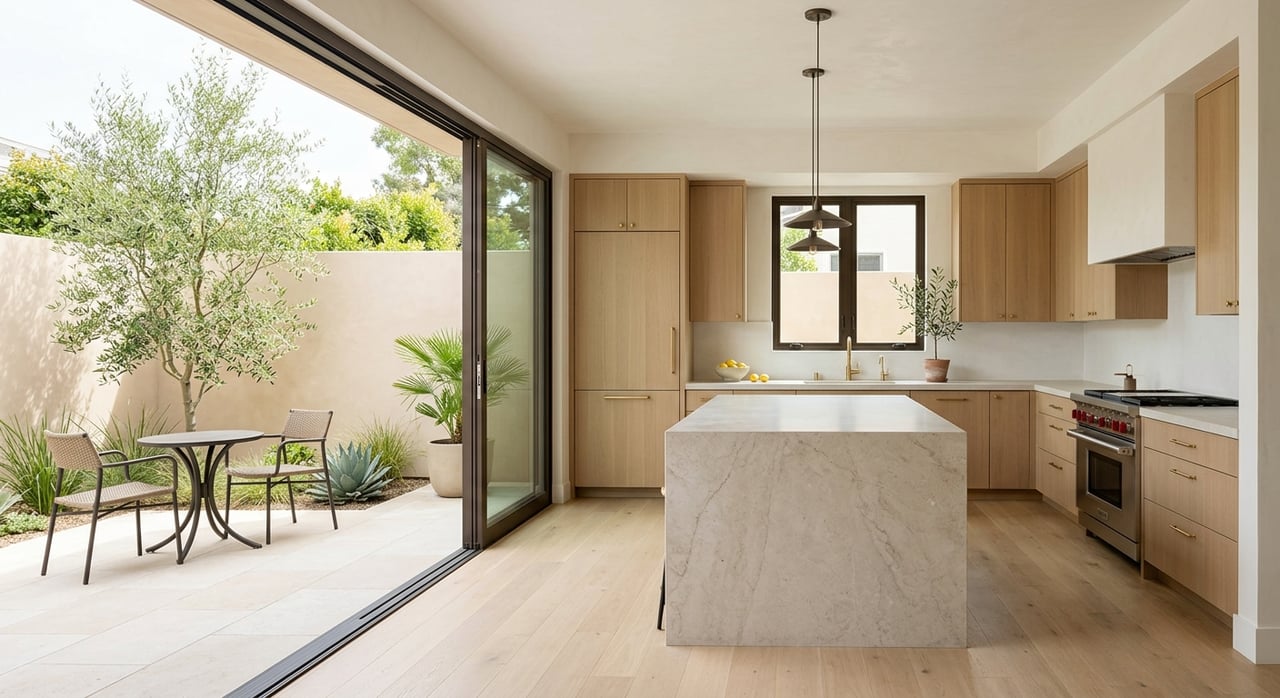
In the kitchen, less is almost always better. Clear counters as much as possible, wipe down appliances, and remove magnets, notes, and everyday clutter from the refrigerator. A clean island or a tidy stretch of counter space can make the whole room feel larger.
Primary bedroom
Your primary bedroom should look restful and simple. Make the bed neatly, clear nightstands, and put away laundry, shoes, and personal items. Keep the look light and streamlined so the room photographs as a calm retreat.
Bathrooms
Bathrooms may not be staged as often as core living spaces, but they matter in photos because they show cleanliness fast. Remove toiletries, close toilet lids, hang fresh towels neatly, and make sure mirrors and glass are spotless. A small bathroom can still look sharp when it is bright and uncluttered.
Make small fixes that show well on camera
You do not need a last-minute remodel to improve your listing photos. In fact, the most useful updates before a shoot are often small cosmetic fixes. NAR lists paint touch-ups, minor repairs, depersonalizing, and landscape work among common seller improvement recommendations.
That means your time is often better spent on visible polish than on a rushed renovation. Buyers notice whether a home feels cared for and move-in ready, especially online.
Before the shoot, check for these easy wins:
- Touch up scuffed paint
- Replace burned-out light bulbs
- Tighten loose cabinet hardware
- Align crooked handles or knobs
- Clean baseboards and door trim
- Patch obvious wall marks
- Straighten rugs and wall art
Zillow's 2026 research supports this polished-presentation approach. It found that homes with move-in-ready or turnkey signals sold for more than expected, and that high-resolution photography, virtual tours, and interactive floor plans can help listings sell faster and for more money. For sellers in Orange, that is a strong reminder that how your home presents can carry real weight.
Do not skip curb appeal
Your exterior is often the first image buyers see. If the front yard, porch, driveway, or backyard looks neglected, buyers may assume the inside will too. That is why outdoor prep should be part of your photo plan, not an afterthought.
NAR includes yard and outside space in staging considerations and also highlights landscape work as a common improvement item. In Orange, where buyers have options and listings compete online, a clean exterior helps your home feel inviting from the very first photo.
Focus on these outdoor basics:
- Sweep the front walk, porch, patio, and driveway
- Move trash bins out of sight
- Trim overgrowth and tidy planting beds
- Put away hoses, tools, and yard equipment
- Wipe down outdoor furniture
- Remove clutter from side yards and gates
- Check that entry lighting and house numbers look clean and straight
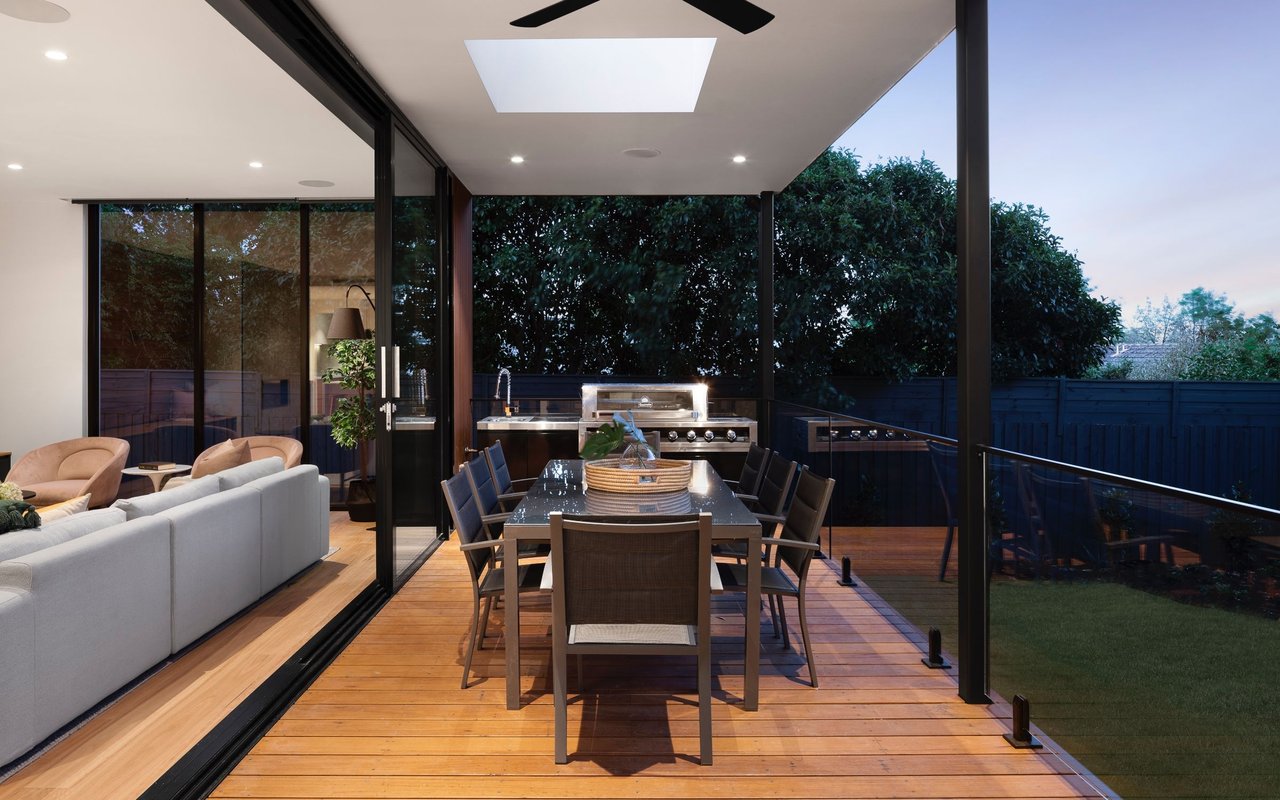
If you have a backyard or patio, set it up to feel usable. Buyers respond well to spaces that look ready to enjoy, even in still photos.
Prep for screens, not just in-person showings
A camera sees rooms differently than you do. It flattens space, catches reflections, and highlights bright spots and distractions. That is why a home that feels fine in person may still need more editing before a photo shoot.
The key is to help each room read quickly on a screen. Strong listing photos usually feel bright, simple, and intentional. Buyers should understand the room at a glance, especially when scrolling on a phone.
Ask yourself these questions as you walk through your home:
- What is the first thing your eye notices in this room?
- Is that the feature you want a buyer to notice?
- Is anything blocking natural light?
- Are there too many small items competing for attention?
- Does the room feel larger or smaller because of the current setup?
This mindset can help you prep smarter. You are not decorating for daily life. You are editing for clarity.
Use a simple day-of-shoot checklist
The day of the shoot should feel calm, not rushed. Once your home is clean and simplified, a few final steps can make a big difference in the finished images.
Use this checklist before the photographer arrives:
- Open blinds and curtains to bring in light
- Turn on interior lights where needed
- Keep ceiling fans and televisions off when possible
- Remove visible trash and last-minute clutter
- Hide pet items and arrange for pets to be out of the home if possible
- Move cars out of the driveway and out of frame
- Smooth bedding, pillows, and towels one last time
- Give the photographer space to reset rooms between angles
NAR's buyer and staging data supports this kind of prep because buyers depend heavily on photos, videos, and virtual tours when deciding what to see in person. A bright, clean, easy-to-read home is more likely to earn attention.
The takeaway for Orange sellers
In a market like Orange, where homes are still competing for attention online before buyers ever step inside, photo prep is one of the smartest things you can do before listing. It does not require a major remodel. It requires focus, editing, and a plan.
A clean, decluttered, move-in-ready look helps your home make a stronger first impression on the platforms where buyers start their search. That can lead to more clicks, more showings, and more serious interest. If you are getting ready to sell and want a listing strategy built around professional presentation and strong digital marketing, Ryan Salloum can help you prepare your Orange home to stand out.
FAQs
How important are listing photos when selling a home in Orange?
- Listing photos are extremely important because many buyers begin their search online, and NAR reports that photos are one of the most useful and influential listing assets.
What rooms should Orange sellers prep first for a photo shoot?
- Start with the living room, kitchen, and primary bedroom, since NAR found these are among the most important rooms to stage and photograph.
What should Orange homeowners remove before listing photos?
- Remove clutter such as cords, chargers, laundry, trash cans, pet items, small appliances, and excess personal items so rooms feel cleaner and easier to read on camera.
Do I need to remodel before a home photo shoot in Orange?
- Usually no. Small cosmetic fixes like paint touch-ups, minor repairs, better lighting, and a deep clean often do more for listing photos than a rushed pre-listing remodel.
How should I prep the outside of my Orange home for photos?
- Sweep walkways and patios, tidy landscaping, hide bins and tools, clean outdoor furniture, and make the front entry look neat and inviting for the first exterior shots.
What should I do on the day of my Orange home photo shoot?
- Open window coverings, turn on needed lights, remove final clutter, keep fans and TVs off, move cars out of frame, and make sure pets and pet items are out of sight.